Make It Obvious
Leave sneakers by the desk as a visual cue, or set a recurring phone alarm labeled "fifteen" not "workout." Clear names reduce the mental step of remembering what the alarm means.

Consistency often matters more than intensity when the goal is a movement practice you can maintain over time.
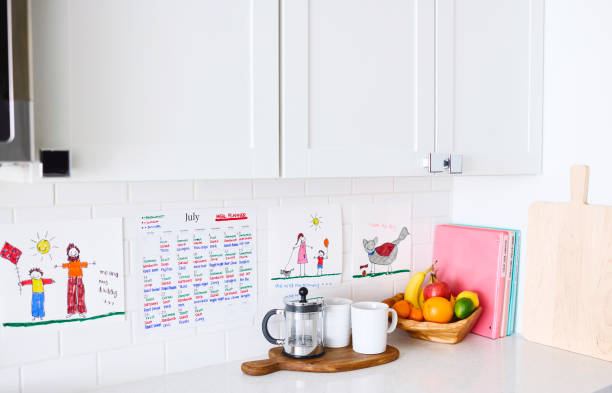 Four checkmarks per week beats one long weekend session.
Habits fail when the bar is set above daily reality. Announcing "I will train an hour five days a week" sounds ambitious until Tuesday brings overtime and Thursday brings a sick kid. Fifteen minutes three times weekly is a contract your schedule can actually sign. Behavior scientist BJ Fogg frames habits as tiny behaviors anchored to existing routines — after coffee, before shower, when the laptop closes.
Start with two sessions the first week if three feels heavy. The win is the repetition, not the perfection. Write the anchor on a sticky note where you see it: "After I pour morning coffee, I do one squat set before email." One set is enough to start; expansion comes later.
Track completions, not calories. A simple tally on the fridge beats a complicated app you abandon by week two. When the tally hits twelve sessions in a month, add a fourth day — not before. This staged approach respects the research showing habit automaticity builds over repeated context-action pairs, typically weeks not days.
Leave sneakers by the desk as a visual cue, or set a recurring phone alarm labeled "fifteen" not "workout." Clear names reduce the mental step of remembering what the alarm means.
Pair movement with something you enjoy — a specific playlist, podcast episode, or the window view in your favorite room. Temptation bundling links a want with a should.
Pre-write your five-move list on an index card. Decision fatigue kills sessions before they start. Casual clothes and no equipment remove two friction points already.
Check the box immediately after finishing. Tell a friend "done" in a text. Small rewards reinforce the loop until the movement itself feels rewarding.
Missing one session is data; missing two in a row is a pattern worth addressing. Use the "never miss twice" rule from habit coaches: if Monday slips, Tuesday becomes non-negotiable even if shortened to five minutes. A five-minute march-and-squat counts as maintenance of the identity "I am someone who moves on weekdays."
Travel disrupts anchors — build a hotel-room variant: incline push-ups on the desk, squats, lunges, plank, jumping jacks if noise allows. Same fifteen-minute container, different furniture. Illness means rest, not guilt. Return at half intensity when symptoms clear.
Seasonal shifts matter in Chicago: winter darkness after 4:30 p.m. pushes many people indoors earlier. Move your anchor to lunch if evenings vanish. Summer heat suggests hydration and slower tempo rather than skipping entirely.
Pick your anchor moment, write it down, and choose one Quick Workout template. Report back to yourself in seven days — not to prove anything, just to see what happened.
Choose a Workout Share Your Anchor Idea